
August 28, 20261 MIN READ
Navigating Leadership Complexity
Leadership is complex and difficult in a demanding and constantly shifting world. Stakeholder expectations are high, numerous, and sometimes conflicting.
Thoughts, frameworks, and stories on people development, Enneagram practice, and leadership from the FIVE LENS team.
Leadership is complex and difficult in a demanding and constantly shifting world. Stakeholder expectations are high, numerous, and sometimes conflicting.

In this article, we will look into the current problems facing global leadership and offer up practical solutions and insights based on human connection.
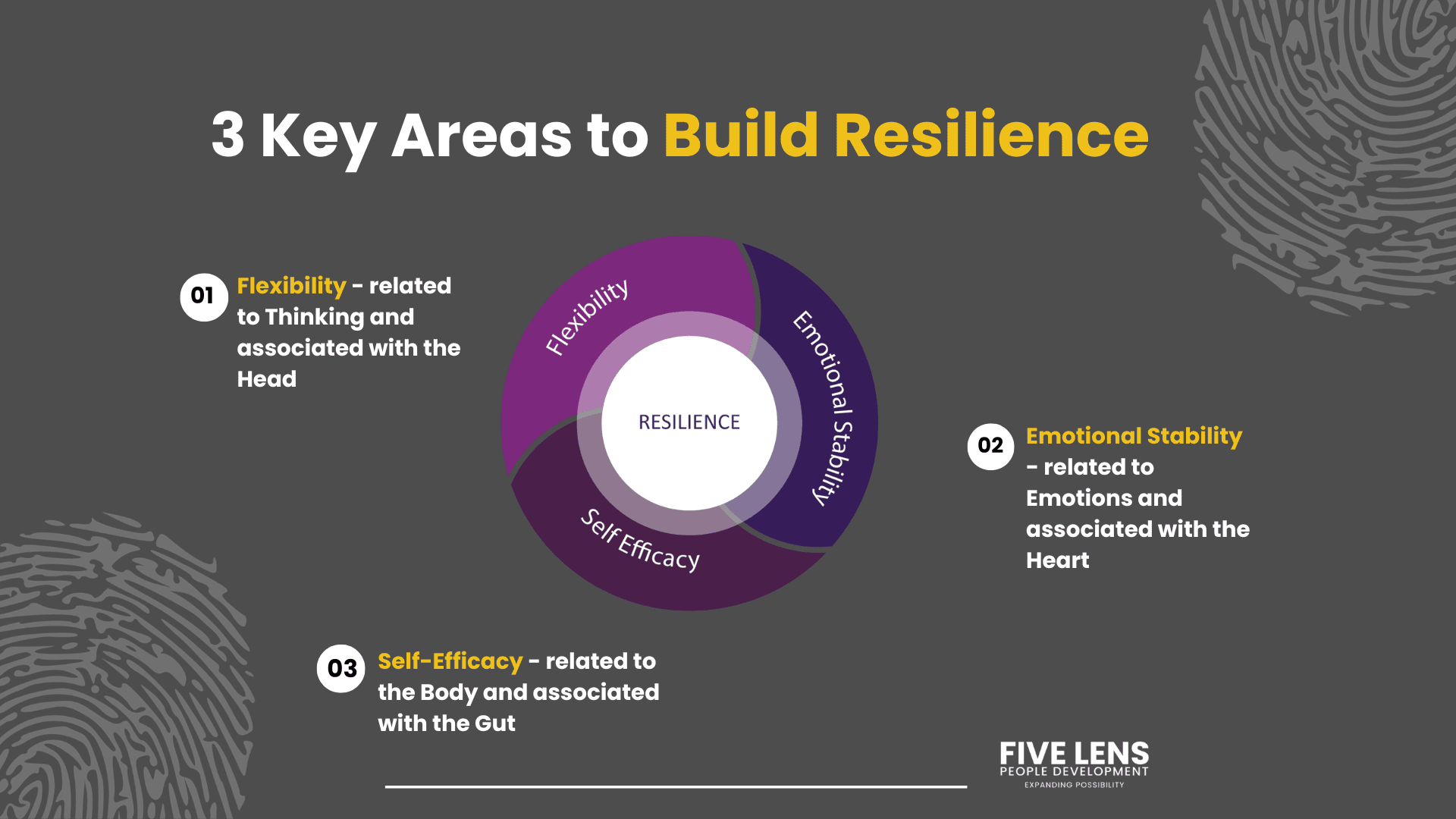
We encounter many challenges every day – adversity, complexity, difficult decisions, loss and many other stress inducing experiences. The question is, do we have the capacity to deal with them without incurring serious damage? We need a level of resilience to handle them so that we can avoid mental, emotional or physical damage to our […]

Leadership is complex and difficult in a demanding and constantly shifting world. Stakeholder expectations are high, numerous, and sometimes conflicting. And navigating the relationship landscape can be challenging to say the least! To paraphrase one leader: “Every day feels like stepping into a new, unfamiliar reality that bears little resemblance to the day before. It’s […]

June 2024 by Colin Adam Good Morning, Good Afternoon, Good Evening – wherever you are in the world, and welcome to this June newsletter! When teaching the Enneagram I’ve often been asked to name famous people who characterize each of the nine styles. My guess is that most famous people have never heard of the […]

It started in late January. You couldn’t miss it – local shops and supermarkets suddenly began turning red. Streamers, decorations, roses, poinsettia plants, chocolate wrappers, and even on-sale items of clothing all had an inevitable redness about them. One could have been forgiven for assuming an overnight Communist coup had taken place! But of course […]
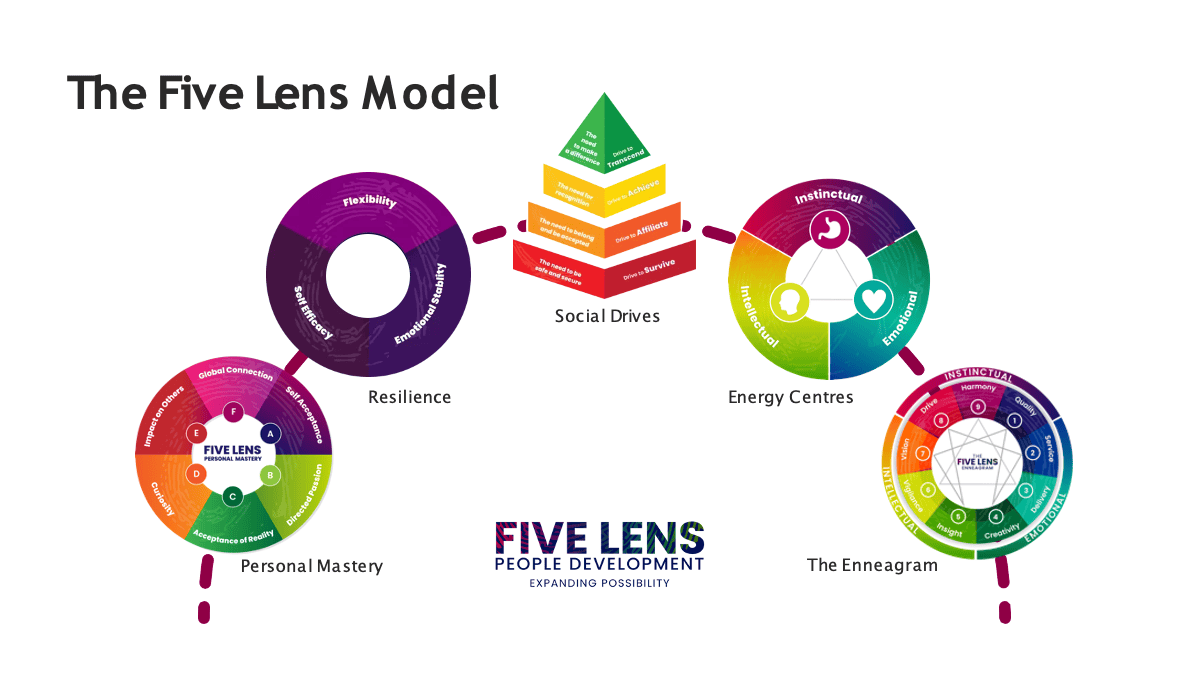
In this article, we will look into the current problems facing global leadership and offer up practical solutions and insights. We will show you, the reader how the FIVE LENS Enneagram model can be used as an effective assessment tool in building strong, impactful and efficient leaders. It was in November 2009 that the United […]

Optimising People Development: A Comprehensive Guide to Choosing the Right Assessment Tool for Your Team
Enneagram & Burnout what you need to know for the Enneagram 6
Enneagram & Burnout what you need to know for the Enneagram 5
Enneagram guide to dog personalities!
Enneagram & Burnout what you need to know for the Enneagram 4

Enneagram & Burnout what you need to know for the Enneagram 3

Enneagram & Burnout what you need to know for the Enneagram 2

Enneagram & Burnout what you need to know for the Enneagram 1

By all accounts, it seems that stress-related issues are on the rise worldwide and are presenting increasingly serious problems to health, relationships and business. What can be done for Burnout & Stress?
September has been designated ‘Suicide Prevention Month’, and the 10th of September is ‘World Suicide Prevention Day’. The intent is to generate a worldwide commitment and call to action that leads to the prevention of suicide.
We are often asked: “What is the difference between standard Enneagram reports and the Five Lens Enneagram?” and “What exactly are the Five Lenses?”

However you look at it, ‘type theories’ offer a relatively blunt way of describing people. They can have difficulty accounting for the small variations in behaviour that exist between people of the same type. As a result, it seems limiting and risky to assign a type label to a person, as this inevitably leads to missing their individual uniqueness.

Our internal narratives allow us to make sense of life experiences by creating meaning from them such that we can tell a story about them. It’s important to remember that the story we create isn’t an objective reality. It’s simply a way of interpreting or representing reality in our own way.

The Enneagram goes further by giving insight into what motivates behaviour, how individuals ‘see’ the world, along with their typical thinking, feeling and communication habits.

Each Enneagram style avoids a particular thing that they unconsciously believe will undermine their self-image. This unconscious self-belief often results in behaviour opposite of the fear

The Enneagram – this complex map of the human psyche – shows us this in a different way. Through representing nine ‘styles’ or ‘ways of being’, it reveals deep insights into the inner and outer workings of us, humans.
It seems to me that the phenomenon of compensatory opposites is also an integral part of what the Enneagram suggests about human behaviour and personality in general. Our characteristic behavioural patterns typically compensate for something else.

An educational thought – provoking piece I was recently asked to share some thoughts on the psychic structures first proposed by Sigmund Freud and how they relate to the Enneagram – so here goes!
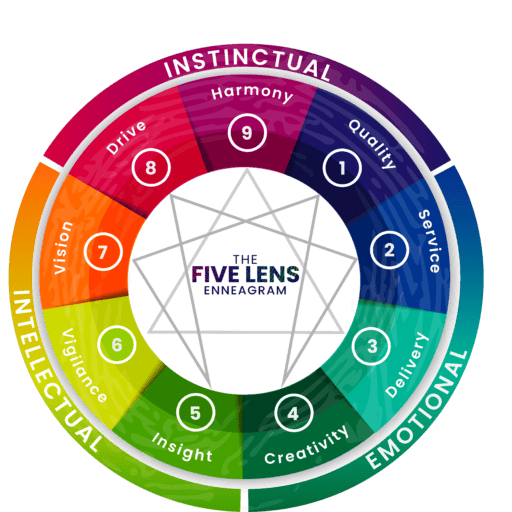
The enneagram is a personality typing system that consists of nine different types. The enneagram was first used in ancient Greece by Christian mystics, but it has since been rediscovered and popularized by modern psychologists.
As collaboration becomes more important to the success of any company, it is vital that collaboration has a place in the workplace. So how do you develop a successful collaborative workplace?

Setbacks or challenges can prevent us from achieving our goals – how we respond determines if we will succeed or fail. Here are 9 insights on how to develop emotional intelligence & resilience!